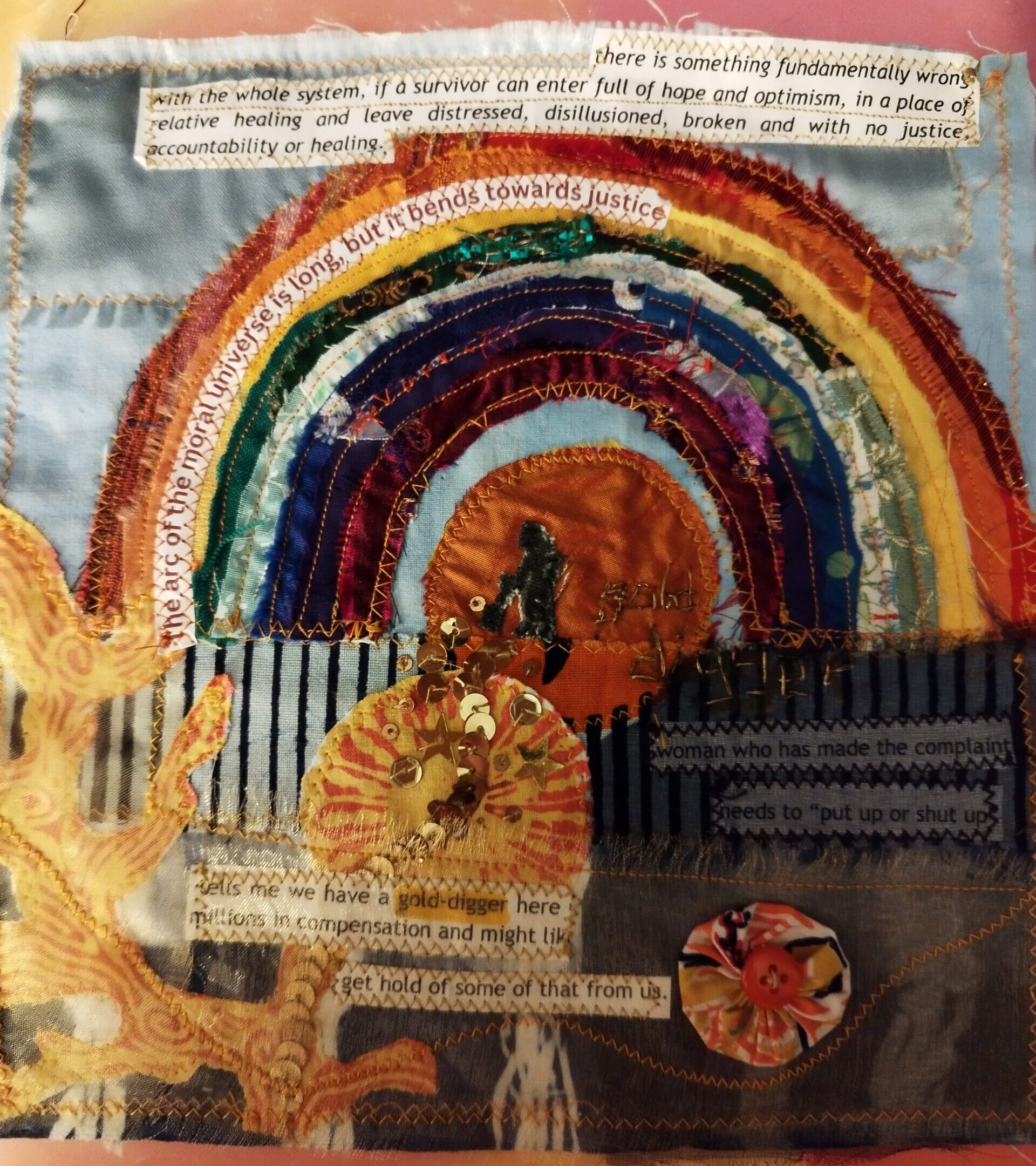
Today at 12noon the independent review of my safeguarding complaint to the Church of England is finally published. It’s been a long and arduous process, and I am immensely grateful to the review team, my advocates, therapist and all the fellow survivors, friends, colleagues and allies who’ve supported me through this, as well as my long-suffering family who’ve also experienced the ups and downs of the journey. I couldn’t have made it through without you (and nearly didn’t).
My particular thanks to Kevin Crompton, the Interim Commissioner for independent reviews, and Helen Gilbert, the independent reviewer, my advocate and their colleagues, for their are to undertake the review in a trauma-informed way.
My review was first commissioned by the Independent Safeguarding Board (ISB) and I am also grateful to Steve Reeves and Jasvinder Sanghera for their support until (and also for some months after) the Church of England disbanded the Board with no warning, a week after my review had started. Mine is the first new review to be published from the legacy of the ISB work, and I hope it gives some hope to others that they will see some resolution soon.
Helen has produced a detailed, fair and expert report, based on a thorough evaluation of the evidence. It’s been incredibly validating to me that she has recognised the full event of my experience. The review focussed on learning and I believe that her detailed recommendations can transform church culture and safeguarding practice, if implemented in full. I am glad to hear the commitment to this from the NST, and both Oxford and Southwark dioceses.
The review reveals my experience that, as a woman, the misogynistic attitudes in the church both made it easier for the priests to rape me, and meant that my complaint was often not taken seriously. Too often I hear of other women victims’ abuse dismissed as ‘affairs’.
It shows that while safeguarding processes have developed, the too narrow focus on risk doesn’t offer survivors justice or healing. This makes it almost impossible for the church to deal with all the damage caused by non-recent abuse. (And we need to remember that it takes an average of 20 years for survivors to report their abuse, so there will always be many non-recent cases).
And it clearly demonstrated that systems and processes are not enough. Institutions need to consider their moral responsibility to try to repair the harm caused, as well as ensuring accountability and safe practice. This means, as the Oxford Survivor Group say so well in their statement, responding to the person standing in front of you with humanity, compassion and care.
In the end, it’s about love for a fellow human being who is suffering. And if the church can’t manage that, then it has truly lost it’s way.
You can read my impact statement, the Oxford Survivor Group statement and those form the review team, NST and dioceses of Oxford and Southwark here.
You can download a copy of the full review report here.